Bioactive Toxin-Derived Peptides Antimicrobial & Antimycotic Peptides Custom Research Peptides Nuclear Localization Signals (NLS) Cell-Penetrating Peptides (CPPs) Alzheimer's & Parkinson's Therapeutic Development Melanogenesis Modulation Anti-Aging & Skin Remodeling Ligand-Directed Targeting Peptides Somatostatin Analogs Kinase Activity Modulators Apoptotic Enzymes Viral Protease Substrates Antiviral Peptides Antimicrobial Peptides Cardiovascular Peptides Immunomodulatory Peptides Thyroid Hormone-Related Insulin/Metabolic Regulation Parathyroid Hormone (PTH) Growth Hormone GnRH Analogues/Antagonists Pain and Inflammation Modulation Pituitary Hormones Neurotransmitters/Neuropeptides Standard Fmoc-Amino Acids D-Form Amino Acids Resins Condensation Agents Organic Building Blocks Pseudoproline Dipeptides Phenylalanine & Tryptophan Unusual Amino Acids & Analogs Newly Launched Small-Molecule Specialties Impurity Analysis & Bioactivity Research Special Offers Peptide Synthesis Chemical Synthesis ADMET Profiling Service AlanMolecularAI AlanDockAI Linear Peptide Optimization Cyclic Peptide Optimization Task Management Knowledge Center News About Us Reagents & Custom Orders Aipower Platform
Sign in
Cart
Search
Home News Highlight: Transforming Biopharma Through Targeted Precision

Highlight: Transforming Biopharma Through Targeted Precision

01/08/2025

Peptide-based drug delivery systems (DDS) have emerged as a powerful strategy for improving therapeutic precision and minimizing off-target effects. This article explores the latest innovations in peptide-drug conjugates (PDCs), peptide receptor radionuclide therapy (PRRT), cell-penetrating peptides (CPPs), and stimuli-responsive peptide delivery platforms. Discover how advances in peptide engineering are accelerating targeted drug delivery and shaping the future of cancer therapy, precision medicine, and next-generation therapeutics.

Welcome to this edition, where we dive into cutting-edge advances in peptide-based drug delivery systems (DDS) – a game-changer in enhancing therapeutic efficacy and reducing off-target effects.
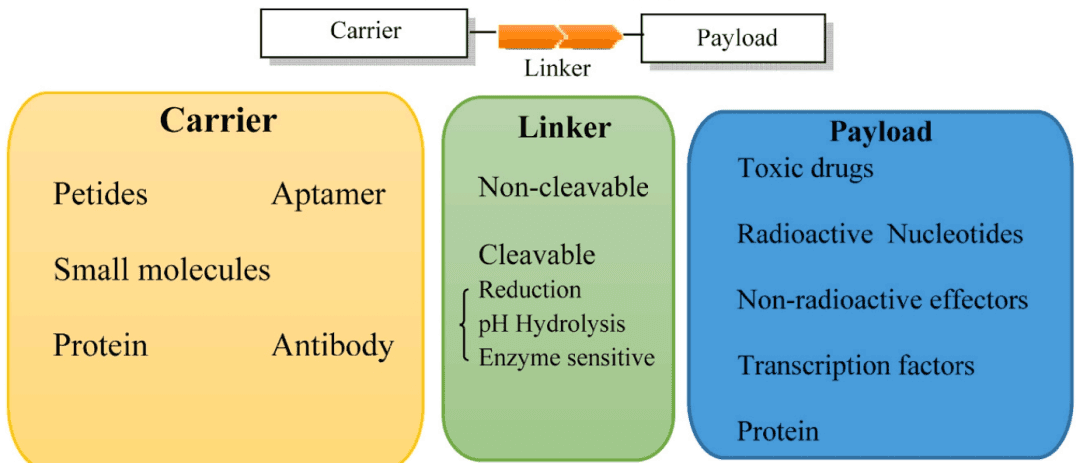
Why Peptides for DDS?

Peptides (≤40 amino acids, per FDA) offer unique advantages: biocompatibility, low immunogenicity, easy synthesis, and versatile modification. Their ability to carry functional groups (carboxylic acids, hydroxyls, etc.) makes them ideal for designing DDS that control drug release, target specific tissues, and boost therapeutic concentrations at disease sites.

Key Innovations & Applications

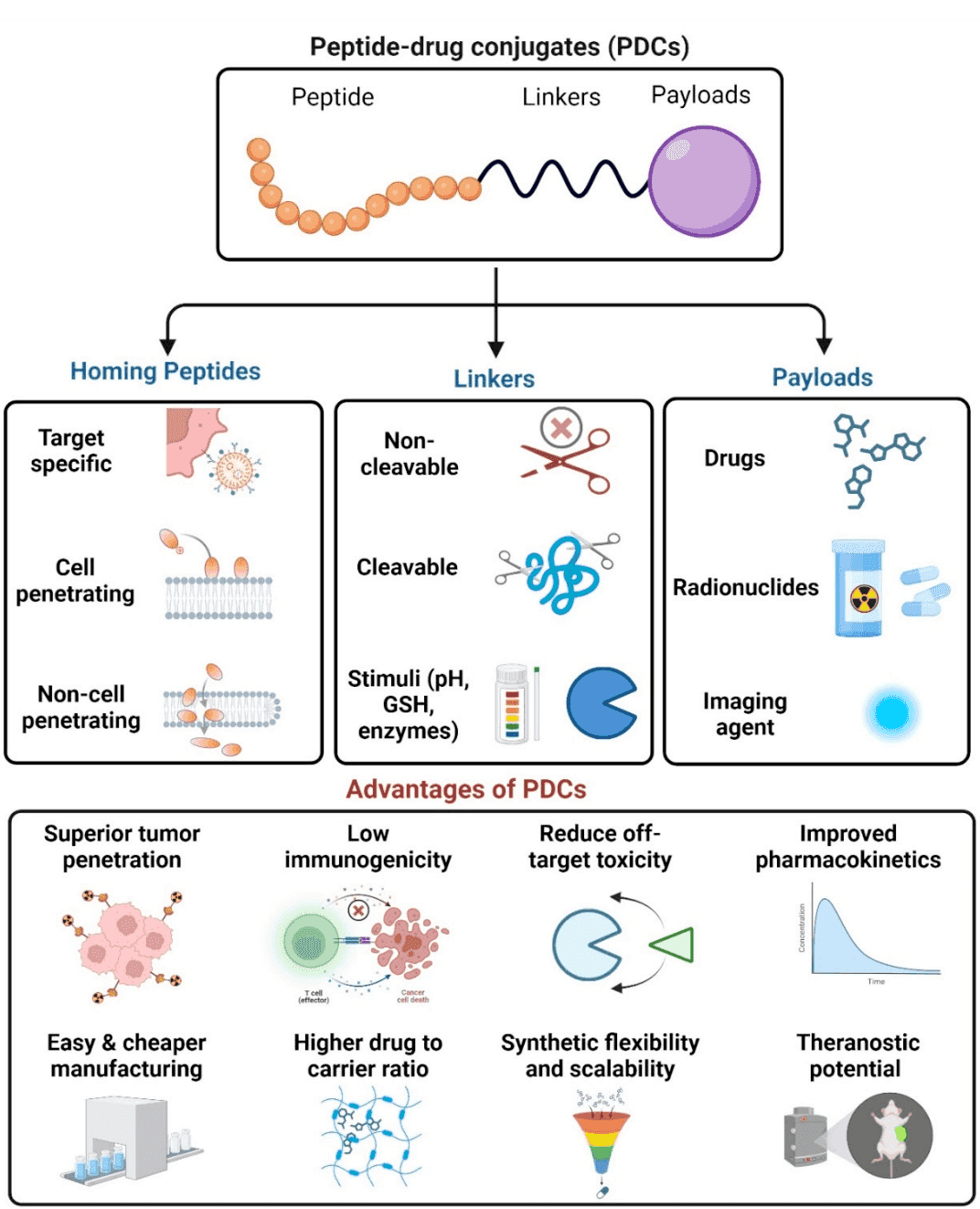
Peptide-Drug Conjugates (PDCs)

Smaller than antibodies, PDCs penetrate tissues efficiently and target overexpressed receptors on tumor cells. Bicycle Therapeutics’ BT8009 (Phase III) leads the field, achieving a 38% objective response rate (ORR) in metastatic urothelial cancer with fewer side effects than ADCs of the same class.
Highlight: Transforming Biopharma Through Targeted Precision


PRRT: Targeted Radionuclide Therapy

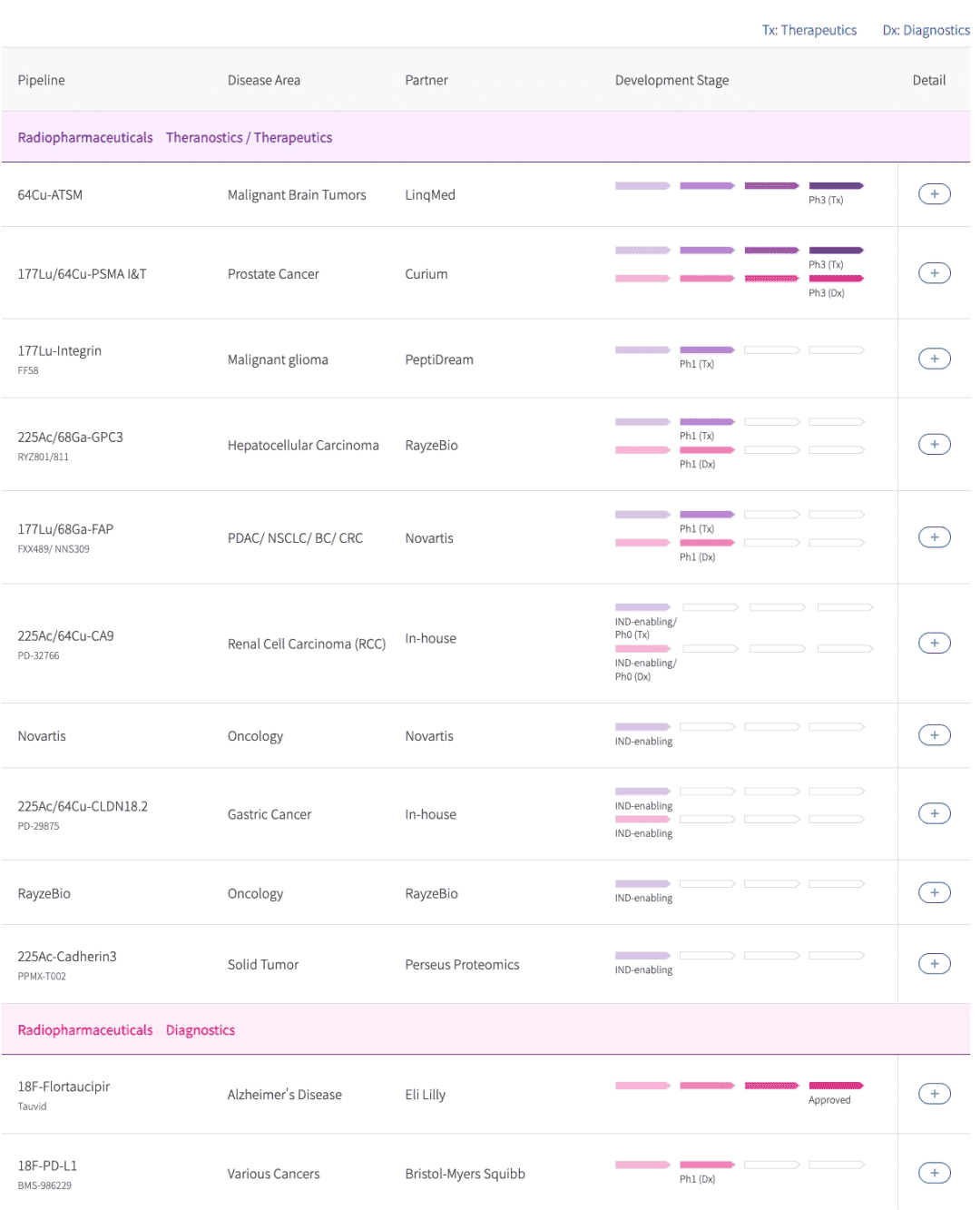
Peptide Receptor Radionuclide Therapy (PRRT) uses radiolabeled peptides to home in on cancer cells. PeptiDream’s pipeline, including FXX489 (with Novartis), shows promise as a potential best-in-class treatment, with ²²⁵Ac-PD-32766 demonstrating strong anti-tumor effects in colorectal models.
Highlight: Transforming Biopharma Through Targeted Precision


Cell-Penetrating Peptides (CPPs)

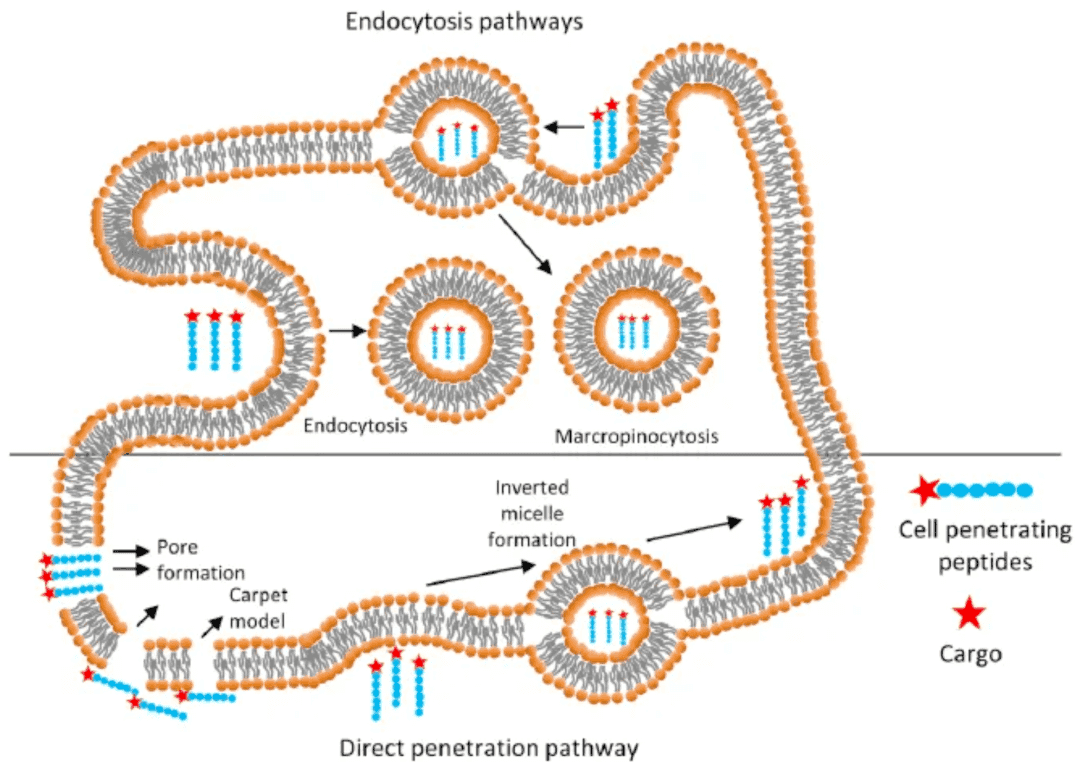
CPPs breach cell membranes to deliver drugs intracellularly. PepGen’s EDO™ platform, for example, enhances oligonucleotide delivery with improved kidney safety, outperforming conventional systems.
Highlight: Transforming Biopharma Through Targeted Precision


Stimuli-Responsive Peptides

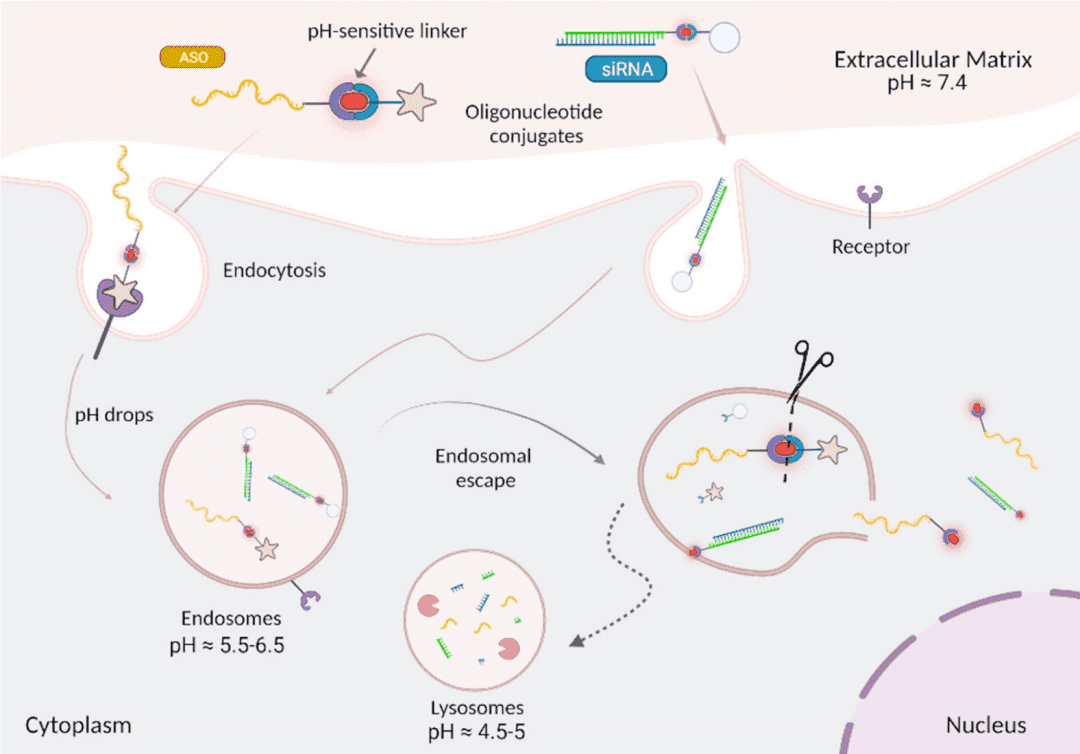
These “smart” peptides react to tumor microenvironment cues (pH, enzymes, redox signals) to release drugs precisely. Examples include pH-sensitive GALA peptides (aiding endosome escape) and enzyme-responsive systems (e.g., MMP-triggered drug release), boosting targeting accuracy.

Highlight: Transforming Biopharma Through Targeted Precision